Transform Your Space: The Definitive Guide to Remarkable Bathroom Renovations
Renovating a bathroom can be an intricate project. It necessitates harmonizing aesthetics with functionality. Each decision influences the overall outcome. From modern materials to intelligent technology, the possibilities are numerous. Homeowners frequently miss the opportunity for optimizing space and efficiency. Grasping these elements is essential. As the journey progresses, one must evaluate how to create a retreat that reflects personal style and environmental consciousness. What choices will result in the perfect balance?
Understanding Your Bath Space's Promise
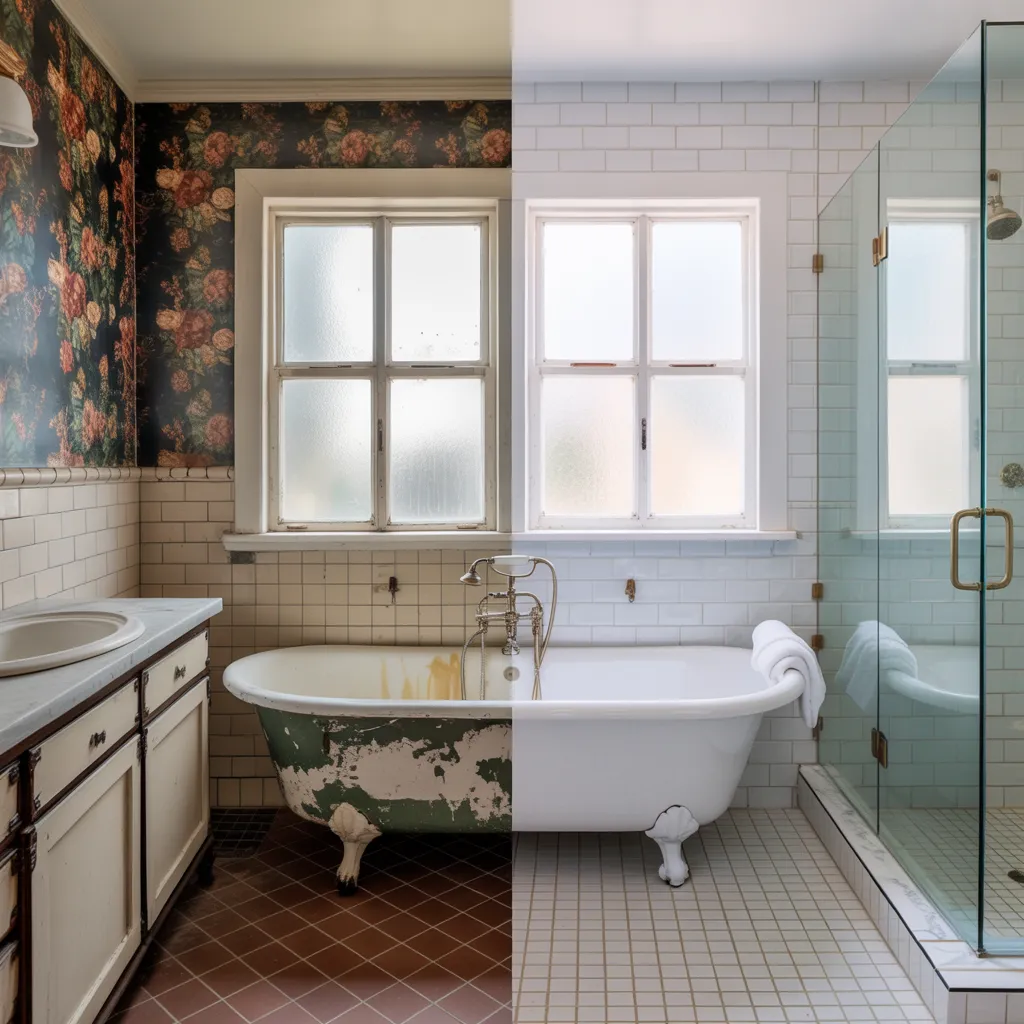
How can one truly appreciate the potential of a bathroom space? Understanding the current layout and features is crucial. A bathroom commonly serves various functions, from a rapid morning routine to a relaxing evening retreat. Evaluating the existing plumbing, lighting, and storage options permits homeowners to identify opportunities for improvement. Recognizing the size and shape of the space can generate creative solutions, such as maximizing vertical storage or incorporating multifunctional furniture. Furthermore, analyzing the natural light and ventilation can elevate the overall ambiance. By visualizing how the bathroom might evolve, people can unlock its hidden potential, making it not only a practical space but also a personal sanctuary. This foundational understanding sets the stage for thoughtful renovations.
Choosing the Right Style and Theme
What aspects shape the ideal bathroom style and theme for a homeowner? Homeowners need to evaluate color palettes, fixtures, and materials that complement their personal aesthetic. A modern bathroom typically features sleek lines, neutral tones, and minimalist accessories, while a traditional theme can include ornate details, rich woods, and classic tiles. Coastal styles embrace airy colors and natural textures, fostering a serene ambiance, whereas eclectic designs might combine various elements for a unique touch. Functionality also plays an essential role; styles should address practical needs and elevate the space's overall flow. Ultimately, the chosen theme should showcase the homeowner's personality and create a cohesive look, ensuring that the bathroom serves as both a functional space and a personal retreat.
Important Home Improvement Factors
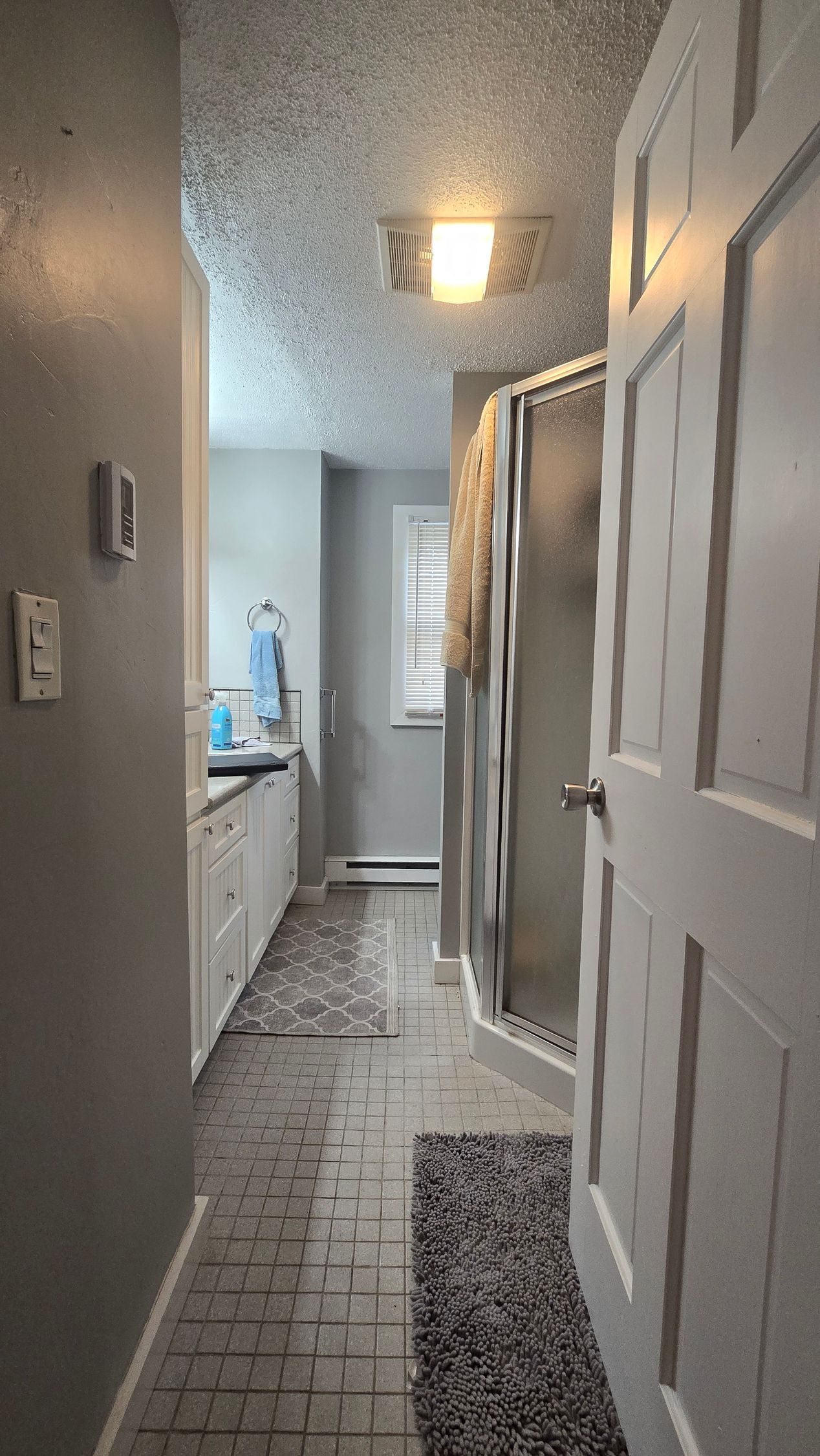
Numerous factors come into play when planning a bathroom renovation, and thorough consideration of each is vital for a triumphant outcome. First, determining a budget is essential to avoid overspending and to guide design choices. Next, evaluating the existing plumbing and electrical systems can stop costly modifications later. Space planning is another essential consideration, ensuring that the layout enhances functionality and flow. Selecting appropriate lighting is vital, as it can substantially impact the ambiance and usability of the space. Furthermore, ventilation cannot be neglected, as it aids in eliminate moisture buildup and mold. Finally, incorporating accessibility features can boost usability for all family members, making the bathroom a more accommodating environment.
Innovative Products and Fixtures
Integrating innovative materials and fixtures can substantially enhance both the aesthetic and functional aspects of a bathroom renovation. Premium options such as quartz and recycled glass countertops offer durability while contributing to a sleek appearance. Water-saving fixtures, including low-flow toilets and touchless faucets, not only promote sustainability but also introduce modern convenience. Moreover, the use of large-format tiles can create an illusion of space, minimizing grout lines for a clean look. Innovative lighting solutions, like LED mirrors and backlit sconces, add ambiance while improving visibility. Moreover, smart technology, such as programmable thermostats and voice-activated controls, enhances user experience. These advancements confirm that a bathroom renovation remains not only stylish but also practical for contemporary living.
Optimizing Room and Usability
Maximizing space and functionality in a bathroom is crucial for creating an efficient environment. Utilizing smart storage solutions, open layout designs, and multi-functional fixtures can substantially enhance usability. These elements work together to transform even the most compact bathrooms into efficient and stylish spaces.
Clever Storage Solutions
Although numerous property owners encounter the issue of restricted bathroom space, smart storage solutions can transform even the smallest areas into functional havens. Making use of vertical areas is crucial; wall-mounted shelves or cabinets can store toiletries and towels without occupying floor space. In addition, dual-purpose furniture, including vanities with incorporated storage, enhances practicality. Angular storage units utilize normally unused areas effectively, whereas containers and organizers can tidily arrange products beneath basins. Incorporating hooks and racks for towels and accessories further enhances accessibility. By means of a considered storage strategy, residents can build a tidy atmosphere that both looks attractive and addresses their daily demands efficiently. Highlighting orderliness is fundamental to a prosperous bathroom transformation.
Open Layout Designs
Clever storage systems can set the stage for a more open and inviting atmosphere in the bathroom. An open layout design emphasizes spaciousness, enabling a seamless flow between different areas. By getting rid of barriers such as oversized cabinets and traditional vanities, homeowners can create a visually expansive environment. Utilizing wall-mounted shelves and built-in niches can copyright aesthetic appeal while enhancing functionality. Incorporating large mirrors can also improve the perception of space, reflecting light and creating a more radiant ambiance. In addition, opting for a walk-in shower instead of a bathtub can additionally open up the layout, making the area feel more spacious. On the whole, open layout designs emphasize both practicality and style, transforming bathrooms into serene retreats.
Multi-Purpose Fixtures
In today's bathroom upgrades, versatile fixtures stand out as key components that boost both practicality and room optimization. These innovative designs serve multiple purposes, enabling homeowners to maximize functionality while minimizing clutter. For instance, vanities with integrated compartments can store toiletries and linens, decreasing Full Bathroom Renovation the need for additional cabinetry. Combined shower and bathtub units provide adaptability, accommodating varying preferences in bathing options. Wall-installed fixtures preserve counter space and ease cleaning, while heated towel racks offer warmth and accessibility without consuming floor space. Additionally, smart mirrors fitted with LED lighting and Bluetooth speakers blend aesthetics with technology, improving the overall experience. Emphasizing efficiency, these fixtures not only elevate the design of a bathroom but also satisfy the practical needs of contemporary lifestyles.
Incorporating Smart Technology and Sustainability
Integrating smart technology into bathroom renovations can improve both convenience and efficiency. Smart fixtures, such as touchless faucets and programmable showers, provide benefits like water conservation and energy savings. Moreover, choosing eco-friendly materials contributes to sustainability, creating a bathroom that is both contemporary and environmentally responsible.
Smart Fixture Perks
As property owners progressively look to improve both practicality and eco-friendliness in their bathroom spaces, the incorporation of intelligent fixtures has become a persuasive answer. These advanced fixtures, including sensor-activated taps and intelligent shower systems, provide multiple advantages that address contemporary lifestyles. They promote efficient water use by automatically adjusting water pressure and temperature settings, markedly reducing waste. Additionally, smart lighting systems can be configured to maximize energy use, further contributing to a eco-friendly setting. Numerous intelligent fixtures additionally offer users with insights into water usage, helping to identify wastage or performance issues. Overall, the integration of advanced technology in bathroom upgrades not only improves the homeowner experience but also matches green practices, making it an attractive choice for thoughtful house owners.
Environmentally Friendly Material Selections
Sustainable materials have emerged as a cornerstone of modern bathroom renovations, especially when paired with smart technology. Homeowners more and more opt for sustainable options such as bamboo flooring, recycled glass tiles, and low-VOC paints. These materials do more than minimize environmental impact but also improve indoor air quality. Integrating smart technology, such as water-efficient fixtures and energy-saving lighting, further amplifies sustainability efforts. For example, smart showerheads can measure water usage, while programmable thermostats optimize energy consumption. Such innovations provide a luxurious experience without sacrificing environmental responsibility. Ultimately, combining eco-friendly materials with smart technology creates a harmonious balance between design and environmental stewardship, attracting environmentally conscious consumers seeking to transform their bathrooms into stylish yet responsible spaces.
FAQ
What Is the Typical Duration of a Bathroom Renovation Project?
A standard bathroom renovation takes approximately 4-6 weeks to complete. This timeframe may vary depending on the project's complexity, the availability of materials, and the contractor's schedule, among other influencing factors.
What Is the Average Cost of a Bathroom Renovation?
The cost of renovating a bathroom typically falls from $5,000 to $15,000, determined by factors such as labor, materials, and square footage. Higher-end renovations can exceed $30,000, especially with luxury fixtures and custom designs.
Will I Need a Permit for My Renovation?
Whether a permit is needed for renovations varies based on local regulations and the scope of work. In most cases, structural changes, plumbing, or electrical work usually require permits, while minor cosmetic updates might not. Reviewing local codes is wise.
How Can I Find a Reliable Contractor?
To find a reputable contractor, you should obtain recommendations from colleagues, read online reviews, confirm credentials, and perform interviews. Evaluating multiple estimates and examining references will also help guarantee a reliable choice for your renovation project.
How Should I Handle Plumbing Issues When They Arise?
When experiencing plumbing issues, it is advisable to without delay shut off the water supply, inspect the situation, and consider reaching out to a licensed plumber. Noting the problem can facilitate understanding the issue and enabling repairs.